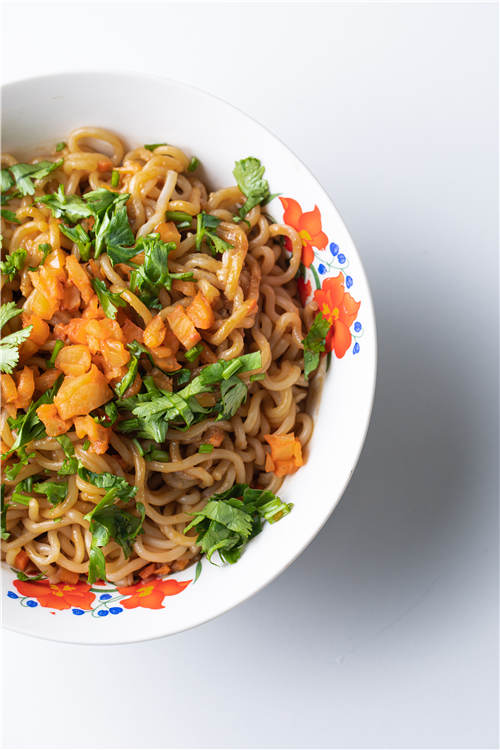
Hot Dry Noodles
Introduction
Hot dry noodles, locally known as "Re Gan Mian" in Mandarin, are a traditional Chinese dish originating from Wuhan, the capital of Hubei province. Among China's diverse array of noodle dishes, hot dry noodles hold a special place due to their unique preparation method and robust flavor profile. This dish is a breakfast staple in Wuhan and is characterized by its chewy texture and savory taste, created by mixing cooked noodles with a rich sesame paste, soy sauce, and an array of seasonings.
History
The history of hot dry noodles can be traced back to the early 20th century. It is believed that the dish was invented by a noodle vendor who accidentally spilled sesame oil on his noodles. To avoid wastage, he mixed the oil-coated noodles with his seasonings and let them dry. The next day, he sold the dish as a new creation, which quickly gained popularity due to its enticing aroma and delicious taste. Over time, hot dry noodles became a quintessential part of Wuhan's culinary identity, symbolizing the city’s vibrant food culture.
Ingredients
The main ingredients for hot dry noodles are wheat noodles and sesame paste. The wheat noodles are typically alkaline noodles, which give them a firm and chewy texture. The sesame paste is the star of the dish, providing a nutty and rich flavor. Additional ingredients include soy sauce, garlic water, pickled vegetables, green onions, and sesame oil. Some variations may include chili oil for added spice. The combination of these ingredients results in a dish that is savory, aromatic, and deeply satisfying.
Preparation
Preparing hot dry noodles involves several steps to ensure the perfect texture and flavor. The noodles are first boiled until they are al dente. Once cooked, they are drained and cooled using cold water to stop the cooking process and to enhance their chewy texture. The noodles are then tossed with sesame oil to prevent them from sticking together. In a separate bowl, a sauce is prepared by mixing sesame paste, soy sauce, and garlic water. The cooled noodles are added to this sauce, and the dish is garnished with chopped green onions, pickled vegetables, and sesame seeds. This method of preparation ensures that every strand of noodle is coated with the rich and savory sauce.
Variations
While traditional hot dry noodles from Wuhan are the most well-known, there are several variations of this dish across different regions in China. Some variations include the addition of spicy chili oil or Sichuan peppercorns for a spicy kick. Others may incorporate different types of pickled vegetables or meats such as shredded chicken or beef. These variations reflect the local tastes and ingredient availability, allowing the dish to evolve while retaining its core identity.
Cultural Significance
Hot dry noodles are more than just a popular dish in Wuhan; they embody the city's spirit and resilience. They are often enjoyed by locals as a quick and nourishing breakfast, providing a source of comfort to the bustling city life. The dish is also a symbol of Wuhan's culinary heritage, celebrated during various food festivals and cultural events.
Popularity in China
In China, hot dry noodles are one of the five most common and popular noodle dishes. They hold a revered place in Chinese cuisine, particularly in Wuhan, where numerous street vendors and restaurants specialize in this dish. The noodles are a staple breakfast item for many Wuhan residents and have become an integral part of the local food culture. Their popularity has also spread to other parts of China, where variations of the dish can be found, reflecting the adaptability and enduring appeal of hot dry noodles.








